Jeff Madsen came to building from an accounting background, and that thinking informs his attitudes toward making housing more affordable. Check out our conversation on affordable housing topics from casitas to countertops.
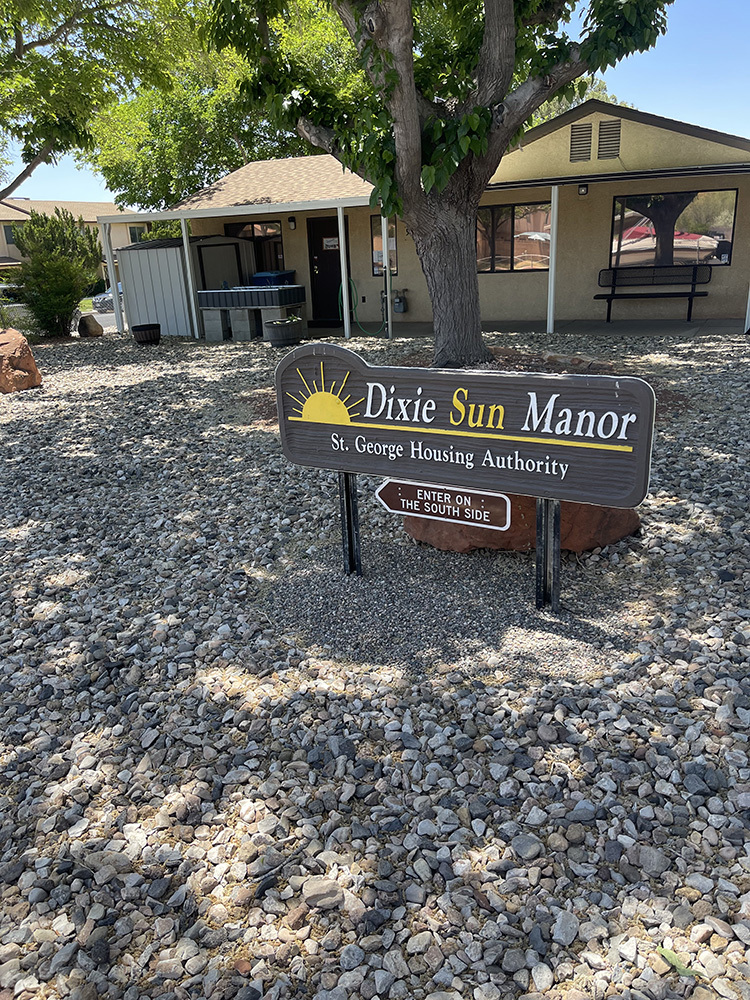
In this interview I talked to Mike Barben, executive director of the St. George Utah Housing Authority. He shares about how he came to be in his current role and some of the specifics about what the organization does to help individuals find deeply affordable housing. They are in a challenging situation with very limited resources, but the housing authority makes a huge difference for the people it serves. Find out more about what the authority does by listening to our discussion.
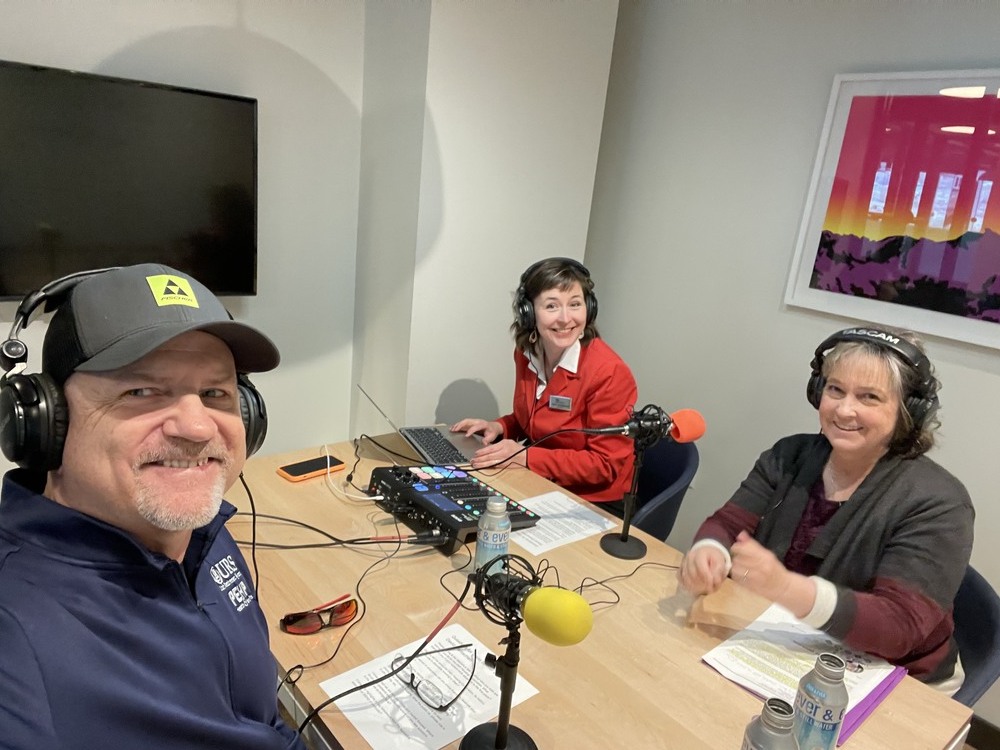
Deon Spilker is the vice president of mortgage banking at Utah Housing Corporation, and David Damschen is the president of the organization. In this episode we have a conversation about what the organization does, who some of the key stakeholders are in affordable housing in Utah, and what are some of the complications attendant to solving the problem of unaffordable housing on the state level. This interview was a great pleasure for me. I loved to hear insights from two of the most knowledgeable people in our state on affordable housing.
Here are a couple of highlight quotes from our discussion.
“It takes all of us together to do the building, and the lending, and to do the tax credits and to have the knowledge.” – Deon Spilker
Spilker also pointed out that she frequently hears the phrase “We couldn’t have without you” in the context of getting into a home.
A couple more quotes I liked: “You need all hands on deck for problems of this complexity and magnitude.” – David Damschen
“Smart government, working hand-in-hand with the private sector can be very constructive and very helpful, but you want to have a light touch.” – David Damschen
We also talked about Low Income Housing Tax Credits, which I have wanted to understand better for a long time, and I loved hearing Mr. Damschen’s insightful explanation of how they work.
If you want to learn more about the Utah Housing Corporation, you can see their website here. There is a great calculator on there if you are interested in FHA loans or are a first time home buyer.
It was such a pleasure for me to talk to people who are truly making a difference for Utah families who need affordable housing every day. I hope you enjoy listening to this interview as much as I enjoyed having it.
Michelle Cloud is in her second term as a planning commissioner for Hurricane City. She recently sent me an article about the Ivins City open house about affordable housing, and in this episode we discuss that article as well as what NIMBYism is and what her role is as a planning commissioner for the city of Hurricane.
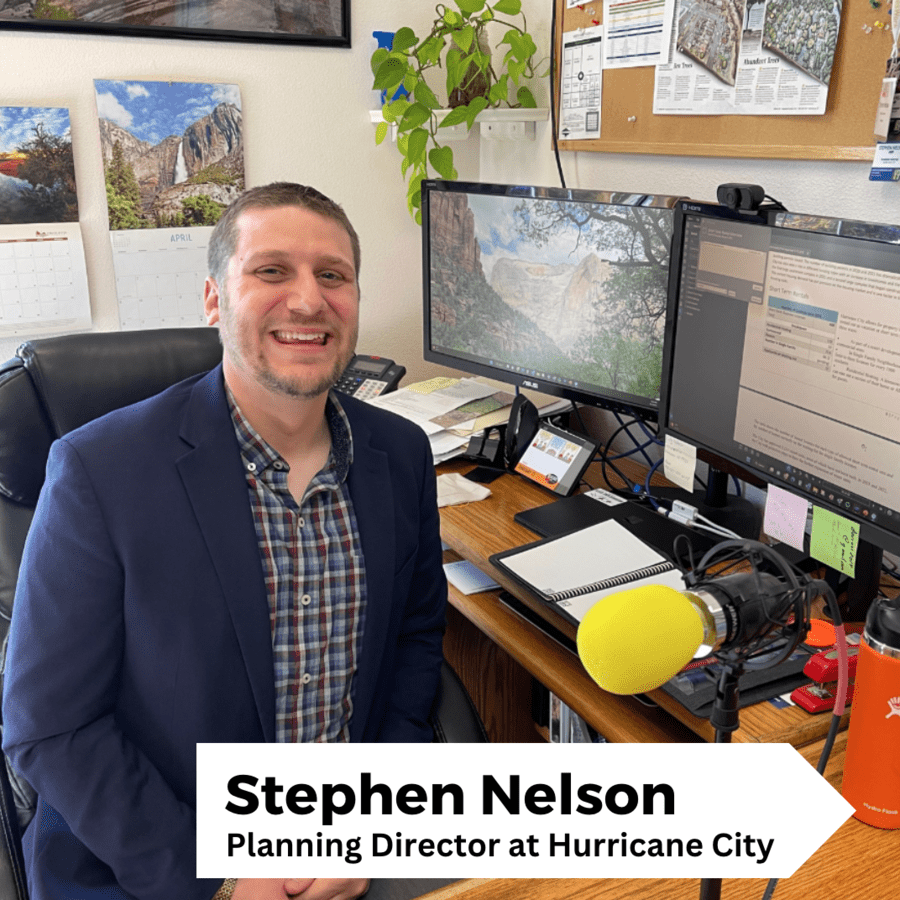
In this episode I talk to Hurricane City Planning Director Stephen Nelson. We talk about short-term and vacation rental policy and its recent history in the City of Hurricane as well as what the city is doing for affordable housing.


 Jenny Chamberlain